Metalworking Fluids
Water‑miscible metalworking fluids rely on surfactants to keep complex systems stable, compatible, and predictable in real operating conditions. We design technologies that give formulators control over emulsification, solubility, foam behavior, hard‑water performance, and the growing need to reduce environmental impact across diverse machining conditions.
Often more than twenty raw materials contribute to lubricity, cleanliness, corrosion protection, and biological stability in a typical formulation. Surfactants determine how the full formulation behaves, and our solutions help you bring these components together with confidence at every step of your formulation process. They support long lifetimes, strong stability, and reliable performance throughout use, with options that enable more sustainable designs without changing your established processes.

Emulsifiers
We design emulsifiers that give formulators confidence from the first step, offering alkoxylates, amides, ether carboxylic acids, and phosphate esters tailored to metalworking needs.They support robust oil-in-water and water-in-oil emulsions that resist separation, tolerate mechanical stress, and maintain consistency over time. With predictable behavior and well‑characterized performance, they help you build fluids that stay stable from blending to end use, even in demanding and high‑speed production environments.
Co-Emulsifiers
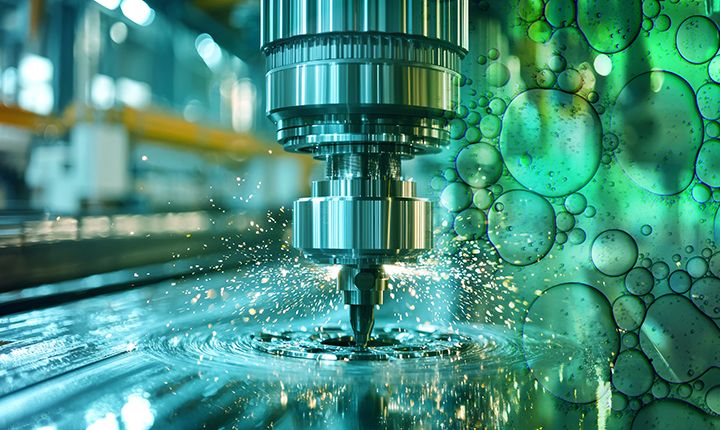
Co‑emulsifiers help formulators fine‑tune balance, stability, and compatibility in metalworking fluid emulsions, offering ether carboxylic acids and phosphate esters suited to diverse base oils and challenging water qualities. They support predictable emulsion behavior, helping you adjust droplet size, strengthen overall formulation robustness, and optimize interactions between oil and water phases while improving tolerance to variations in water quality and hardness.
Whether you are refining an existing system or creating a new one, our co‑emulsifiers provide the subtle adjustments that keep fluids performing reliably across changing conditions.
Hydrotropes and Solubilizers
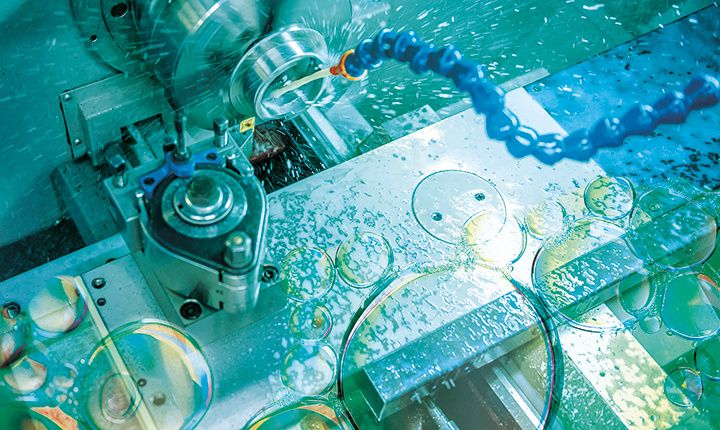
These agents help formulators bring complex additive packages together in a clear and stable way, offering ether carboxylic acids that enhance compatibility and boost dispersion power for improved cleaning performance. We design them to support ingredients with very different solubility profiles, reducing the risk of separation under mechanical stress or changing conditions. By promoting homogeneous systems and predictable behavior, our hydrotropes and solubilizers make it easier to integrate the components that drive lubricity, cleanliness, and fluid longevity.
Foam Control
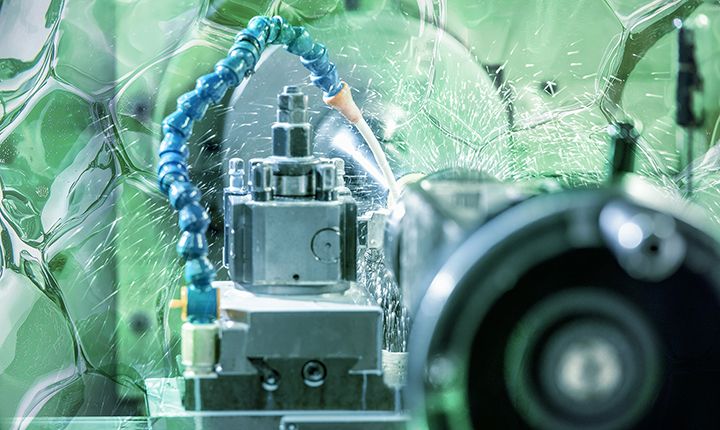
These surfactants help formulators keep machining performance steady, especially in systems that run at high pressure or high flow rates, offering alkoxylates, ether carboxylic acids and phosphate esters tailored for reliable foam suppression. They minimize foam formation while supporting stability under mechanical stress, so lubrication, heat transfer, and cleanliness stay consistent as conditions intensify.
With predictable foam behavior and strong control over the foam generated under pressure, these solutions help you keep fluids running cleanly and reliably throughout demanding production cycles.
Hard Water and Electrolyte Stability
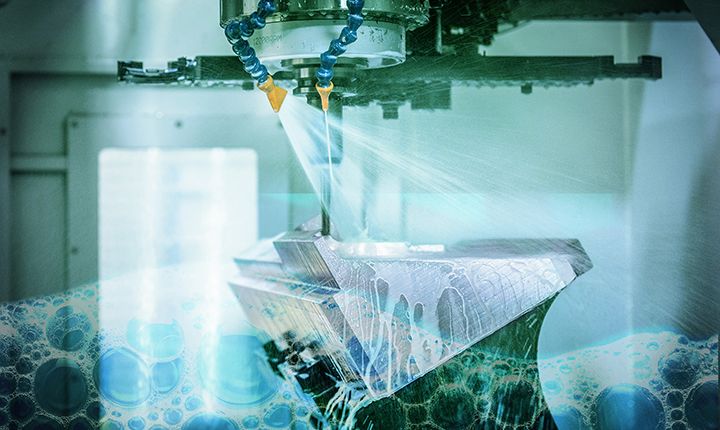
Variations in water hardness and electrolyte levels can quickly influence how a fluid behaves in use, even when the formulation is robust. Our ether carboxylic acids and phosphate esters strengthen stability under challenging ionic conditions with their lime-soap dispersion power. These surfactants are developed to help maintain emulsion integrity when systems are exposed to metal ions, salts, or variable water quality, reducing the risk of separation, change in viscosity, or loss of performance.
By supporting predictable behavior across a wide range of conditions, our technologies make it easier to create fluids that stay clean, stable, and reliable in demanding operating environments.
Corrosion and Staining Protection
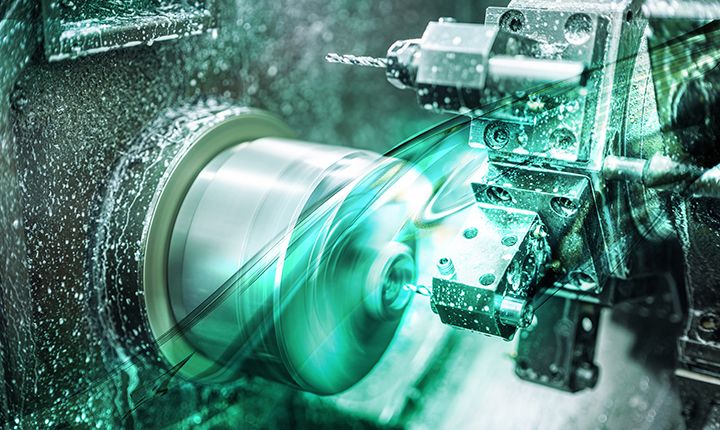
Formulators know that corrosion and staining can affect both process reliability and the quality of finished parts, especially when fluids are exposed to multiple metals and changing operating conditions. Our surfactants are developed to deliver controlled wetting, clean drip-off, and dependable protection across a range of metal substrates.
To support this performance, we offer phosphate esters, amides and ether carboxylic acids tailored for robust protection. By helping prevent coloration, surface attack and residue formation, these technologies make it easier to keep parts protected, clean, consistent, and ready for downstream processes.
Extreme Pressure, Anti-Wear and Lubricity
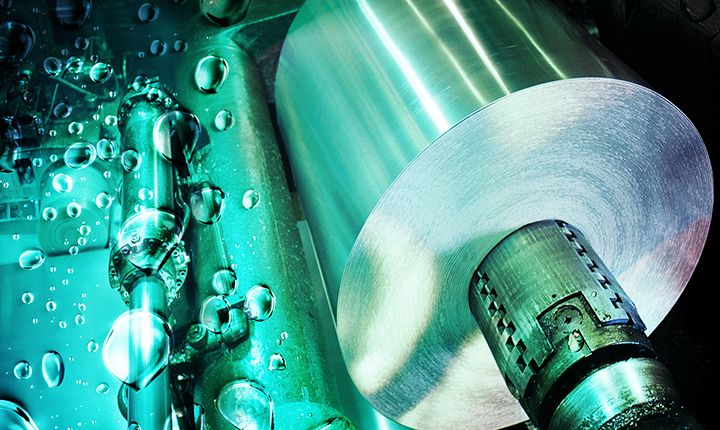
When you’re working under high loads, heat, or metal-to-metal contact, a fluid’s protective capacity can be challenged quickly. These additives help maintain stable lubrication films, support reliable extreme-pressure and anti-wear behavior, and reinforce corrosion protection across multiple metal systems, offering phosphate esters designed for robust performance under stress.
By strengthening how a fluid performs in demanding conditions, they make it easier to balance durability, consistency, and overall system robustness in machining environments.
Sustainability
Better chemistry should deliver strong performance with less environmental cost, and that principle guides how we design every AKYPO technology. Sustainability is built into how our surfactants are developed, sourced, and manufactured, so each choice supports responsible, future‑ready performance without disrupting established processes.
We focus on measurable improvements in energy use, waste reduction, resource efficiency, and responsible sourcing, ensuring that progress is grounded in evidence rather than aspiration. These advancements give those driving product development and sustainability what they need most: reliable, compliant ingredients with transparent origins and stable supply. This is Progress with Purpose: practical, chemistry‑led improvements that reduce operational impact and help customers meet their own sustainability goals.